Meta description: Discover why experiential marketing companies are prioritizing emotional connection over impressions in 2026, and how Texas brands can create memorable activations that move audiences to act.
Meta keywords: experiential marketing companies, experiential marketing Texas, brand activations, immersive marketing, live brand experiences, event marketing, emotional connection, Texas marketing agency
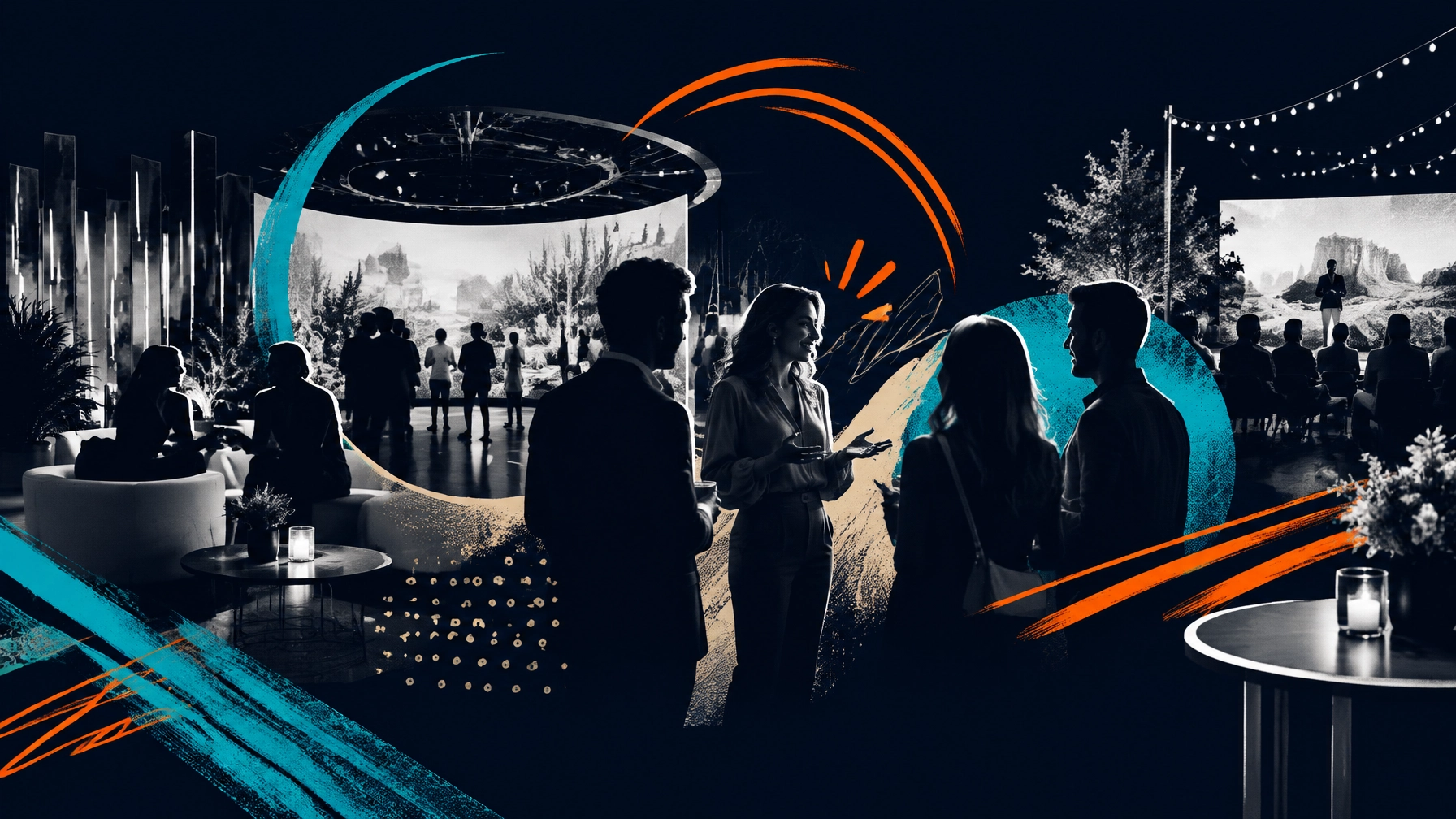
A crowded room is not the same as a connected audience. In 2026, brands are asking better questions than “How many people saw it?” They want to know what people felt, remembered, and chose to do next.
That shift is changing how experiential marketing companies plan events, installations, and brand activations. Reach still matters. But reach alone cannot earn trust or create a lasting relationship.
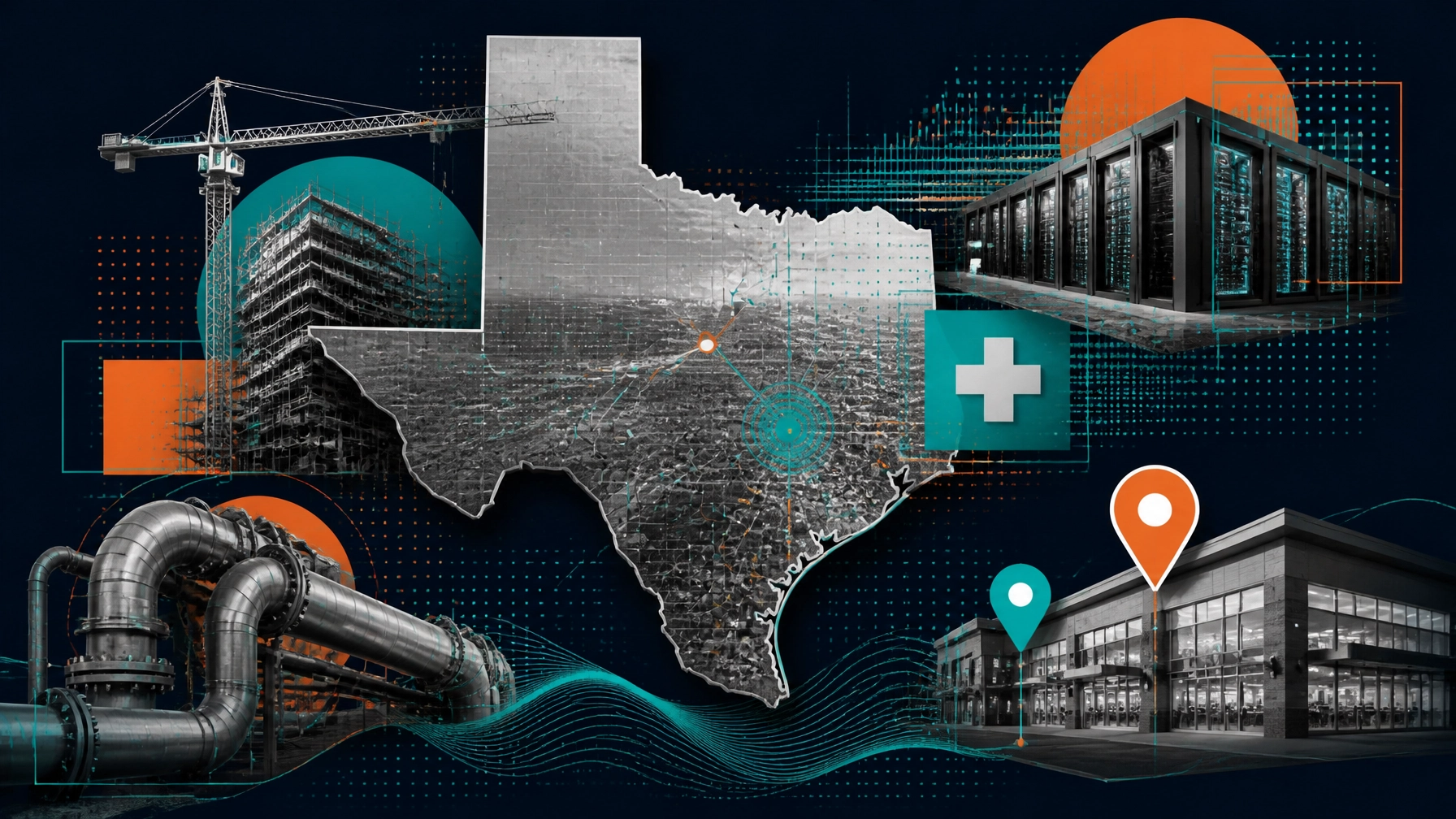
For Texas businesses, the opportunity is especially timely. Fast-growing metros and active hospitality and corporate sectors bring brands into contact with new customers, employees, partners, and communities. The strongest experiences give those audiences a reason to care, and a meaningful next step.
Why are experiential marketing companies measuring emotion, not just impressions?
An impression counts exposure. It does not tell you whether a person felt welcome, understood what the brand stands for, or plans to return.
A live experience can create something a passing ad rarely can: participation. People can ask questions, explore a product, meet the team, or share a moment with others. Those interactions give a brand space to demonstrate its values instead of simply stating them.
That distinction matters in an AI-saturated media landscape. Audiences encounter more digital material every day, yet they still value real people, thoughtful conversations, and moments that feel tangible. The 2026 VML Future 100 experiential trends report reflects this demand for experiences that leave people feeling changed, not just entertained.
The takeaway is not to abandon metrics. It is to measure what matters alongside reach:
- Participation: Did guests interact, explore, or contribute?
- Brand understanding: Can they describe what makes the company distinct?
- Trust and affinity: Did the interaction strengthen how they feel about the brand?
- Intent and action: Did they book, inquire, visit, sign up, or take another meaningful step?
- Amplification: Did they choose to share the experience with others?
A recent perspective on the field’s “effectiveness era” makes a similar point: active participation and thoughtful human interaction can be more valuable than passive exposure. The Drum’s 2026 article argues for designing toward specific outcomes, not treating every event as if it serves the same purpose.
What makes a brand activation emotionally memorable?
An emotional experience does not need to be enormous. It needs to feel intentional.
Start with the audience’s point of view. What are they curious about? What might make them hesitate? What would help them feel confident, inspired, or included? Then build the experience around a simple brand promise.
For example, a construction firm might invite prospective partners to explore a project model or take part in a guided demonstration. A restaurant could create an intimate tasting that introduces the people and craft behind the menu. A healthcare organization could make a complex service easier to understand through welcoming, human-led education. Wine and spirits brands might build a sensory tasting experience with clear, responsible service and a strong story behind the product.
Across sectors, useful design principles include:
- Make participation natural. Give guests something meaningful to do, not just something to look at.
- Lead with people. Knowledgeable staff and welcoming hosts make a brand feel real.
- Engage the senses with purpose. Sound, texture, lighting, and spatial design should support the story.
- Make the experience accessible. Consider different abilities, comfort levels, languages, and ways to participate.
- Create a clear next step. Connect the live moment to a follow-up, targeted campaign, or action that supports the business goal.

Why is Texas a promising market for immersive brand experiences?
Texas brings together expanding communities, active business centers, hospitality, and a varied mix of industries. Dallas–Fort Worth, Houston, Austin, and San Antonio each offer distinct audiences and local contexts. For businesses, that means potential to connect with customers and stakeholders in person, while making the experience feel relevant to the city and community.
Population growth alone does not guarantee a successful event. But it does reinforce the value of understanding who is arriving, what they need, and how brands can earn their attention. Recent reporting on Texas metro growth offers more context in this overview of Texas metropolitan areas.
A strong Texas activation should reflect the market it enters. A corporate event in Houston may have different priorities from a restaurant launch in Austin or a construction industry showcase in Dallas. Local knowledge helps brands shape the right format, message, partners, and follow-up.

How should a brand connect live experiences to measurable growth?
A strong activation is not an isolated event. It is part of a wider brand and campaign strategy.
That means connecting the experience to the identity people see before they arrive and the content they encounter afterward. A consistent visual system helps the event feel like a genuine expression of the brand. Targeted ads can invite relevant local audiences, extend the story, and support a clear conversion goal.
At Iktika Media, strategy and creative direction begin with the audience and the business objective. Isabel Zetina guides that strategic work, helping align the experience with the brand’s position and the emotional response it aims to create. Dany de la Torre brings visual design and project management together, helping the concept move from creative direction into a cohesive, well-organized experience. Didier captures photo and video content that documents the real people and interactions. Material that can support future campaigns without pretending a staged image is an authentic moment.
Explore Iktika’s experiential marketing and immersive events, branding strategy, and content creation services to see how the parts can work together.
Why does authentic human content matter in 2026 and 2027?
Technology can make an experience interactive. It can help personalize a journey or extend a physical installation. But technology should support the human story, not replace it.
Audiences increasingly recognize the difference between a real interaction and content engineered to look personal. A genuine conversation, a team member explaining their craft, or a candid moment of discovery gives the brand something distinctive: evidence of real people, real expertise, and real care.
That is why professional capture matters. When Didier documents an activation, the purpose is not simply to create a highlight reel. It is to preserve the human details that communicate what the event felt like. Used thoughtfully, those images and videos can extend the experience through social media, email, and targeted campaigns.
Iktika’s own strategy workshop reflects the value of a real, human-led conversation as part of brand building.

What should businesses ask experiential marketing companies before hiring?
Look beyond the size of the proposed event. Ask how the agency will connect the concept to your business goals and audience.
- What should guests feel, understand, or do?
- How will the idea express our brand, not just decorate the venue?
- What role will staff and live interaction play?
- How will accessibility, safety, and local context shape the design?
- Which outcomes will we measure before, during, and after the event?
- How will photography, video, and targeted campaigns extend the experience?
The right partner should be able to explain both the creative idea and the strategy behind it. A memorable installation earns attention. A well-planned experience turns that attention into connection, and gives people a reason to remember the brand.
FAQ: Experiential marketing companies and emotional brand activations
What do experiential marketing companies do?
They create in-person or hybrid brand experiences (such as events, installations, demonstrations, and activations) that invite audiences to engage directly with a brand. Strong campaigns connect creative design with a defined business objective.
Why focus on emotions instead of impressions?
Impressions show that a message was exposed to an audience. Emotional connection, participation, and follow-through offer a fuller picture of whether the experience made the brand meaningful to people.
Can experiential marketing work for B2B and construction brands?
Yes. A guided project showcase, interactive demonstration, or collaborative corporate event can help explain complex offerings and create space for useful conversations with clients, partners, or employees.
How can a business measure an experiential campaign?
Choose measures that match the campaign goal. These may include attendance, participation, qualified inquiries, meetings booked, visits, conversions, post-event engagement, or changes in brand understanding. Set the baseline and measurement plan before the experience launches.
How can Texas brands extend an event beyond the venue?
Use authentic photo and video content, follow up with attendees, and run targeted campaigns that reach relevant audiences. Keep the message and visual identity consistent so the digital follow-up feels like a continuation, not a separate promotion.
Author: Isabel Zetina, Agency Strategy & Creative Direction
Signature: Isabel Zetina